
Dinara Project: mapping the biodiversity of the Dinaric Alps
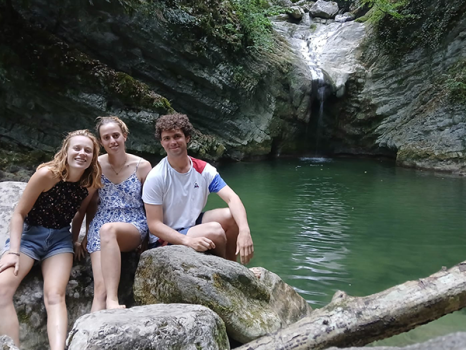
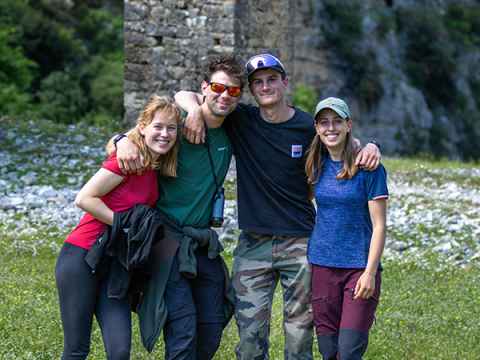
June 11 2026From the beginning of May and for a period of three months, Marie, Thomas and Lou, students at AgroParisTech’s Nancy campus, accompanied by Samuel, a professional photographer, will travel several hundred kilometres across the Balkans. As part of the Dinara mission, coordinated by the Blairoudeurs association, they will carry out nature surveys in the heart of the Dinaric Alps. A gap-year project combining scientific rigour, human adventure and a commitment to biodiversity. Meet a team willing to put everything on the line for mountain wetlands.
Could you tell us about the Dinara Mission? How did the idea for this expedition come about?
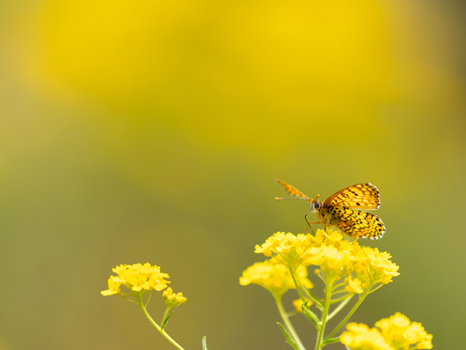
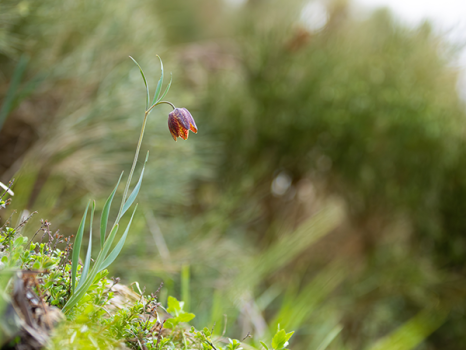
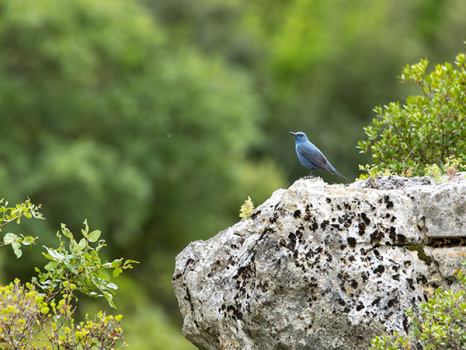
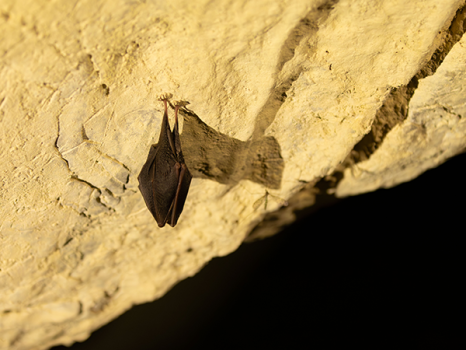
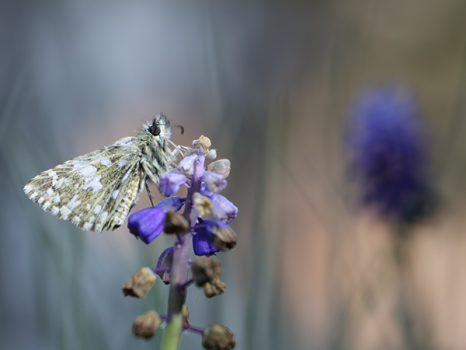
In our first year at engineering school, we attended a presentation on the Lavia Mission, a nature expedition organised by the Blairoudeurs. It inspired us and sparked the desire to undertake a similar project. As all three of us are passionate about nature, field surveys were the obvious choice. We wanted to explore a nearby area that was accessible without flying and where we were familiar with the species. Our love of the mountains and unspoilt environments led us to the Dinaric Alps, a mountain range with exceptional biodiversity, which has been little explored and is sorely lacking in naturalist data. The Balkans represent a true biodiversity hotspot: our surveys will be genuinely useful for better protecting these areas. The Dinara Mission therefore consists of three months of naturalist surveys in Albania, Montenegro and Bosnia and Herzegovina, focusing on mountain wetlands: lakes, rivers and peatlands, which are among the richest and most threatened ecosystems in Europe. We will be surveying bats, dragonflies, birds, butterflies and plants, working closely with local researchers and conservation managers. On our return, we also hope to raise public awareness of the importance of wetlands, which are still far too little understood.
You study very different species. How do you organise your fieldwork between you?
We are fortunate to have complementary skills. The division of tasks fell into place naturally: Lou is in charge of bats and birds, Marie of butterflies and dragonflies, and Thomas of vascular plants – a taxon far more diverse than it appears! Samuel, a professional photographer and naturalist, will capture the beauty of the habitats we explore. Birds are surveyed in the morning, plants and insects during the day, and bats at night. Everyone works in pairs to help one another and learn from each other. We use a variety of tools: butterfly nets, ultrasonic recorders, binoculars, GPS, camera traps and identification guides. Next, we have to sort through the data, verify the identifications and write rigorous scientific reports.
What are you going to do with the data you’ve collected?
We use standardised protocols recognised by the scientific community, which will enable long-term monitoring. Our data will contribute to our understanding of species distribution in a little-studied region, serve as a baseline for nature area managers, and may support the introduction of new protection statuses. The expedition is already part of concrete projects: inventories of Montenegro’s wetlands, protection of wild rivers (Vjosa, Neretva), and UNESCO biosphere reserve projects. On a larger scale, our observations will feed into international databases such as GBIF, contributing to the monitoring of the effects of climate change on these ecosystems.
What made you decide to embark on this adventure during your gap year?
We wanted to make our gap year meaningful by making a tangible contribution to scientific knowledge and the protection of biodiversity, working hand in hand with the local stakeholders we involved in the selection of sites. We also wanted to spend a lot of time in the field, discover other cultures and have an immersive experience, far from our usual comforts. Three months of wild camping in the mountains is all part of it! This project has already taught us a great deal: responding to calls for proposals, estimating a budget, coordinating a team, and communicating in English with researchers and foreign authorities. Creating a project from start to finish is the best way to learn how to structure it and bring it to life.
Which of the skills you acquired at AgroParisTech will you be putting into practice in the field?
All three of us are pursuing the Natural Environment Management specialization at the Nancy campus. Our program has equipped us with essential scientific rigor: implementing standardized protocols, structuring data, and mastering mapping and statistical analysis tools. Numerous field projects have also allowed us to refine our teamwork skills. This project enables us to apply all these skills independently, while also incorporating a real project management dimension: securing funding, communication, and logistics.
A message for those who are hesitant to get involved in a community project or a nature expedition?
Leading a project like this is like designing an internship from start to finish, then carrying it out yourself. It’s demanding, but it’s also an unforgettable and personalized experience. A gap year is THE time to take action on a cause that’s close to your heart. Don’t wait until you’re an “expert” to get started: you learn a lot by doing. Surround yourself with motivated people, talk to organizations, teachers, and those who’ve already taken the plunge. And above all: dare to ! It’s often the most ambitious projects that leave the biggest impact.
A call for support
To carry out this field project, Marie, Thomas, Samuel, and Lou are appealing to the generosity of the AgroParisTech community through a tax-deductible fundraising campaign. Your support will enable them to undertake this expedition in support of biodiversity and the fight against climate change.
A few photos from the mission